TechAtlas
TechAtlas: RA Capital’s knowledge engine and data advantage
TechAtlas helps RA Capital and our portfolio companies across healthcare and planetary health understand where the world is heading, spot which technologies are likely to win, and identify key incumbents and disruptors. We map critical business pathways to learn how great ideas can become durable businesses that achieve real-world impact.
Identifying unmet needs
Which problems are worth solving, and what will it take to solve them? TechAtlas builds foundational theses by synthesizing scientific, technological, regulatory, environmental, and market signals to understand where breakthroughs are most likely to emerge.
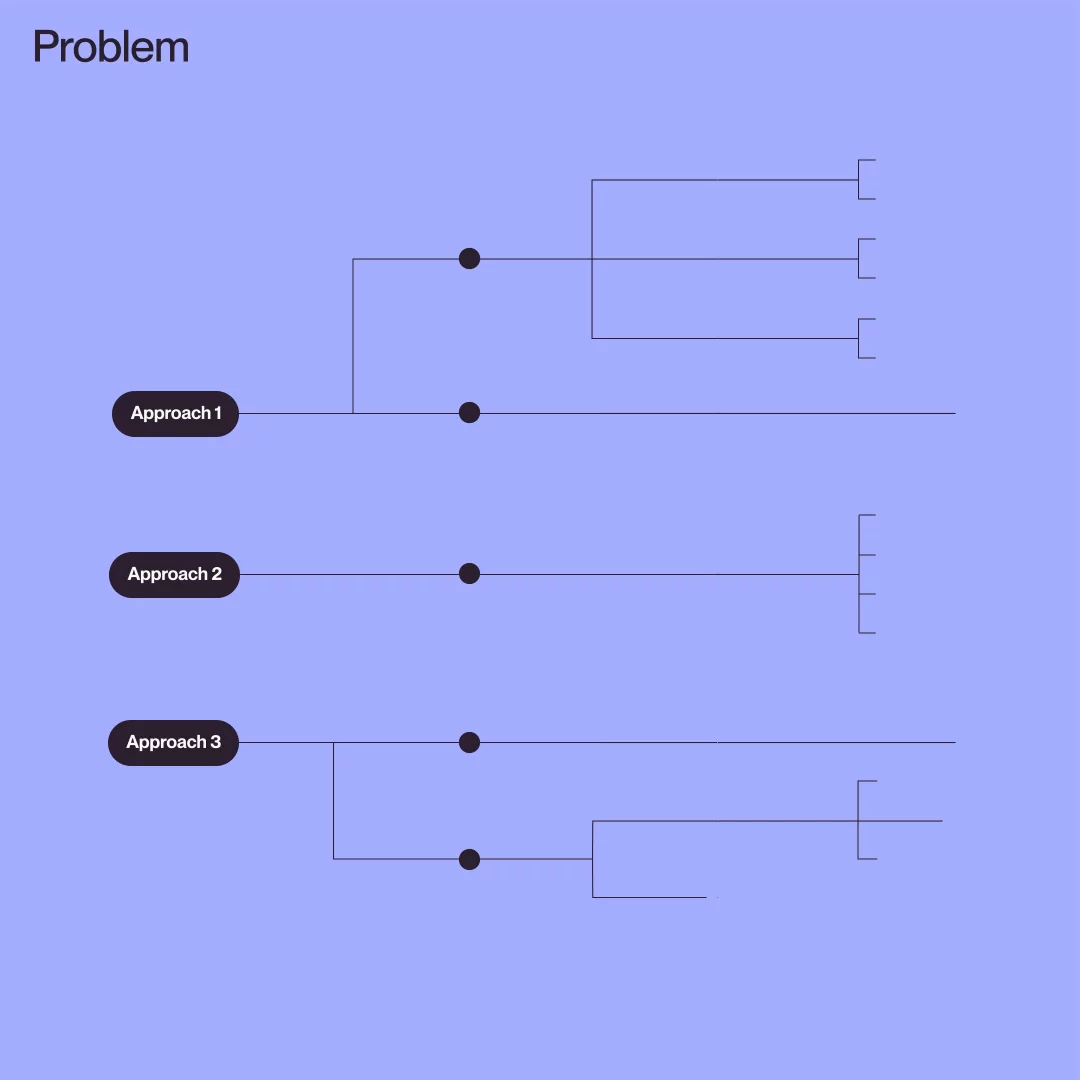
Building conviction
We build conviction by testing our theses in context — assessing emerging technologies, modeling future scenarios, and pressure-testing assumptions to determine which companies stand the best chance to change their fields and deliver meaningful impact.
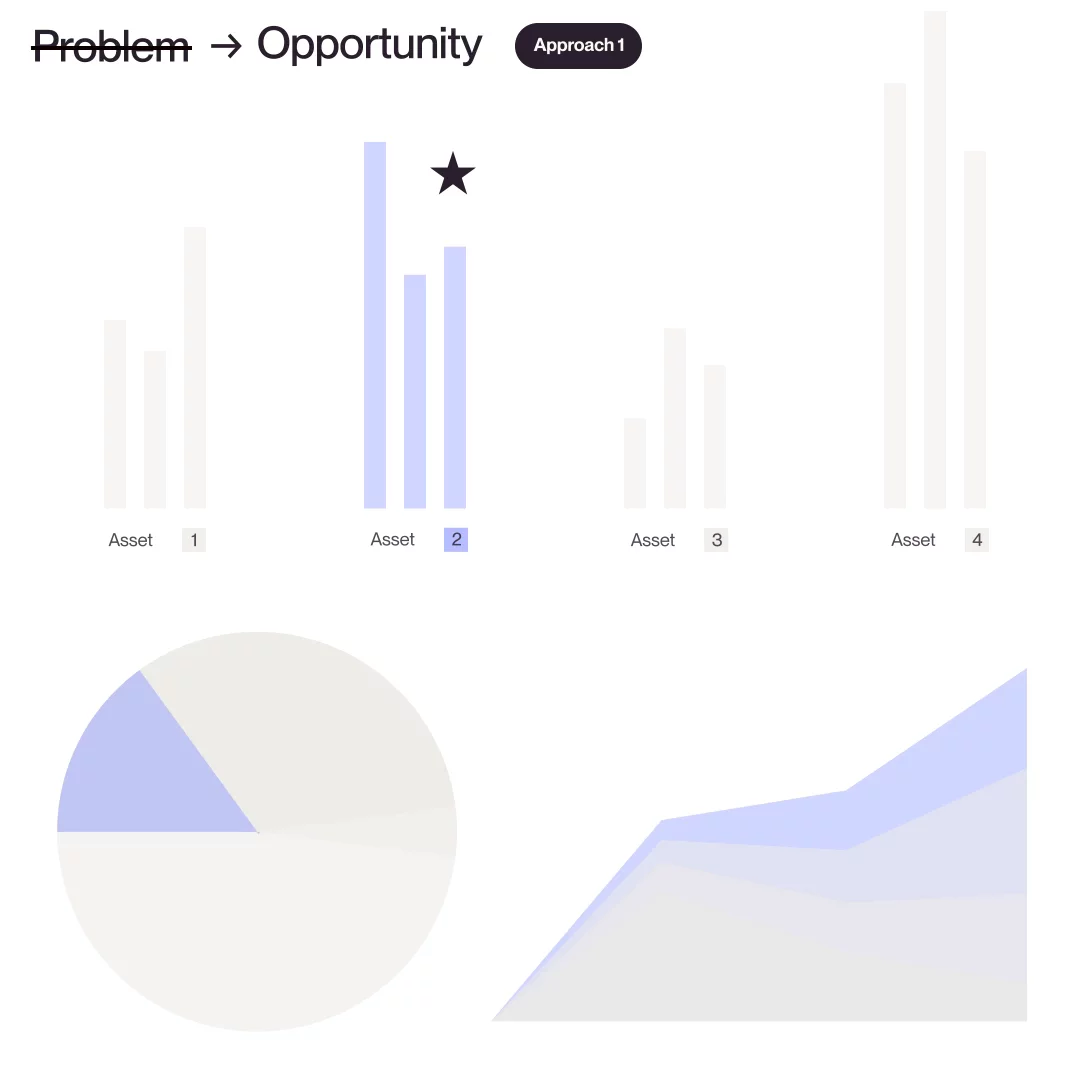
Providing strategic support
Once we invest, we help companies and founders understand emerging threats and opportunities, refine product or technology roadmaps, and adapt in real time to changing technical, regulatory, ecological, or market conditions.
Generating competitive intelligence
The TechAtlas team is a sensing network of subject-matter experts who continuously monitor incumbents, disruptors, substitutes, and adjacencies across both healthcare and planetary health to help our founders shape strategies and take action to stay ahead of the curve.
Research
How TechAtlas works
TechAtlas is a knowledge and insights engine comprised of two distinct groups:
-
Associates
Staffed with PhDs and MDs, the TechAtlas Associates are RA Capital’s internal life sciences consulting group that work with the RA Capital Invest teams to originate conviction.
-
Research
The TechAtlas research team generates the raw data that helps inform the Associates' work and ultimately, Invest team decisions.
Healthcare topics we’ve mapped
TechAtlas Healthcare has created over 130 subsector maps spanning the investable healthcare universe; including specific diseases (such as breast cancer), capabilities that span a wide range of diseases (such as gene therapy or immuno-oncology), and pharmaceutical company pipelines.1 Examples include:
-
General Medicine
-
- Acne/Rosacea
- Aesthetics
- Aging
- Allergy
- Alzheimer's Disease
- Antibiotics: ABSSSI
- Antibiotics: Pneumonia
- Antifungals: Fungal Infections
- Asthma
- Atopic Dermatitis
- B-Cell Autoimmune
- Benign Prostate Hyperplasia (BPH)
- Chronic Kidney Disease
- Complement System
- COPD
- Coronary Artery Disease (CAD)
- COVID-19 - Therapeutics
- Cystic Fibrosis (CF)
- Drug Conjugated Technologies
- Dyslipidemia
- Epilepsy
- Fertility
- Functional Mitral Regurgitation (FMR)
- Gene Therapy
- Gene Therapy: AAV Complex
- Gene Therapy: AAV Simple
- GI: Constipation & Diarrhea
- GI: Immune GI Disorders
- Hearing Loss
- Heart Failure
- Herpesviridae (HSV)
- Human Immunodeficiency Virus (HIV)
- Liver: HBV/HDV
- Liver: HCV
- Liver: Non-Viral
- Lupus
- Menopause & Perimenopause
- Microbiome
- Migraine
- Multiple Sclerosis
- Neuropathic Pain
- Neuroinflammation
- Obesity
- Opioids
- Ophthalmology: Front of the Eye
- Ophthalmology: Inflammation
- Ophthalmology: Retina
- Osteoarthritis (OA)
- Overactive Bladder (OAB)
- Parkinson's Disease (PD)
- Psoriasis
- Psychiatry: Major Depressive Disorder
- Psychiatry: Mood Disorders
- Psychiatry: Neurobehavioral Disorders
- Psychiatry: Schizophrenia
- Pulmonary Arterial Hypertension (PAH)
- Rheumatoid Arthritis (RA)
- Stroke
- Thrombosis
- Type 1 Diabetes (T1D)
- Type 2 Diabetes (T2D)
- Women's Health: Reproductive System Disorders
-
Health Technology & Services
-
- COVID-19 - Diagnostics
- Diagnostics: Infectious Disease
- Diagnostics: Oncology
- Diagnostics: Prenatal/Genetic Testing
- Organ Transplant
- SC Delivery Technology
- Hearables
-
Orphan Diseases
-
- Orphan: Complement
- Orphan: Endocrine
- Orphan: Extracellular
- Orphan: GOF
- Orphan: Hematopoietic
- Orphan: Immune
- Orphan: Inborn Errors of Metabolism
- Orphan: Lysosomal
- Orphan: Mitochondrial
- Orphan: Neurodevelopmental
- Orphan: Neuromuscular: Muscle
- Orphan: Neuromuscular: Neuron
- Orphan: Ophthalmology
-
Oncology
-
- Acute Myeloid Leukemia (AML)
- Anti-Angiogenesis
- B-Cell Malignancies
- Bladder Cancer
- Breast Cancer: Driver
- Breast Cancer: Non-Driver
- Cancer Metabolism
- Cell Replication
- Colorectal Cancer
- Epigenetics
- Glioblastoma (GBM)
- Growth Signaling
- Hepatacellular Carcinoma (HCC)
- IO: Cart-T (Heme)
- IO: Cart-T (Solid)
- IO: General
- IO: Il-2
- Melanoma
- Melanoma: Micat
- Metastasis
- Multiple Myeloma
- Myelodysplastic Syndromes (MDS)
- Myeloproliferative Neoplasms (MPN)
- Non-Small Cell Lung Cancer
- Ovarian Cancer (OC)
- Pancreatic Cancer (PDAC)
- Pancreatic Neuroendocrine Tumors (PNET)
- Prostate Cancer (PC)
- Renal Cell Carcinoma (RCC)
- Small Cell Lung Cancer (SCLC)
-
Strategics
-
- Abbvie: Non-Oncology + Immunology
- Abbvie: Oncology + Immunology Programs
- Alexion
- Biogen: Core Growth Areas
- Biogen: Emerging Growth Areas
- Biomarin
- Bristol-Myers Squibb
- Gilead
- GSK: General Programs
- GSK: Vaccines + Other Programs
- Novartis: General Programs
- Novartis: Other Programs
- Novo Nordisk
- Pfizer: General Programs
- Pfizer: Oncology + Rare Disease Programs
- Roche: General Programs
- Roche: Oncology Programs
- Sanofi: General Programs
- Sanofi: Oncology + Immunology Programs
- Shire
- Teva
-
Vaccines
-
- COVID-19: Vaccines/Boosters
- IO: Cancer Vaccines
- Prophylactic Vaccines
- Respiratory Syncytial Virus (RSV)
Mapping planetary health
RA Capital’s TechAtlas Planetary Health team has developed over 30 landscape maps spanning the investable universes for our core verticals.1 This massive, proprietary data set enables thesis development, deal conviction, portfolio management, competitive intelligence, and successful exits. Examples include:
-
Planetary systems maps
-
- AI Data Centers
- Aquaculture
- Agriculture
- Electrical Grid
- Oceans
- Water
-
Insight-powered investments
-
- Non-Ferrous Metal Sorting
- Module-Level Power Electronics (MLPE)
- Lithium-Ion Batteries
- Electricity Retailing and Efficiency
- Copper
- Green Steel
- Ocean Data
- Modular Construction
Rapport
Do we boil down all of this knowledge into digestible points of view? Of course we do.
Read all of our insights & opinions about the future of health in Rapport.
TechAtlas FAQs
-
TechAtlas is RA Capital’s proprietary knowledge engine – staffed with scientifically trained researchers who synthesize scientific and clinical evidence to originate conviction and inform RA Capital’s investment strategies.
Think of TechAtlas as an insights machine that produces:
Competitive landscape mapping: TechAtlas has mapped 130+ disease areas, including technology platforms and in-depth strategic analyses, along with more than 30 planetary health territories. These structured analyses highlight potential breakthroughs in human and planetary health.
Mechanism evaluations: Deep dives into how technologies compare to current and future alternatives and opportunities, assessing whether new approaches offer meaningful advantages.
Decision context: Analysis that informs whether programs are investable based on anticipated impact, development hurdles, and competitive dynamics.
TechAtlas supports both our internal investment decisions and our portfolio companies’ strategies. If you are building a company in a crowded space, having the entire competitive terrain mapped with strategic white spaces identified can be invaluable.
The team tracks a wide variety of molecules, clinical trials and pipelines, and conducts 5,000+ company meetings and calls annually alongside our Investment Teams to stay deeply connected to what’s happening across healthcare, life sciences, and planetary health.
-
TechAtlas maps include only publicly available information – no confidential data. If a company has disclosed a program on its website, in a publication, at a conference, or in a patent, our team may include it on a map.
We don’t share anything you haven’t already made public. Think of our maps as structured intelligence gathering, not information leakage.
-
Either (A) we missed it and will add it, or (B) we know about the program but haven’t yet updated our map to include it.
We only show what’s public. If you haven’t publicly disclosed a program, we won’t add it until you do. But if you mention your program (drug name and indication) on your website or in any public forum, we can give it a place on our maps.
Note: Maps are updated periodically, but our internal data stays much more current. Just because you don’t see your program on a map doesn’t mean we aren’t aware and interested.
-
Our maps are proprietary to RA Capital/TechAtlas. We only show teasers to stimulate further discussion. We’ve made a few older maps available in full resolution. During Covid, we published our vaccine, treatment, and diagnostic maps in full resolution in real-time as a public service. Let’s hope that’s not going to happen again.
-
Come to RA Capital’s offices to explore them with us. We have large touchscreen displays that make it easy to navigate the maps. We’re always looking for productive brainstorms with researchers, clinicians, entrepreneurs, drug hunters, small innovative companies, large biotech and pharma, payers, policy makers, and institutions interested in partnering with us.
We have mobile systems and can print maps if needed for off-site discussions. We’re happy to share them with portfolio companies and disease-focused foundations.
-
We do not sell the maps. We can make them freely available to our portfolio companies and have in the past provided them to disease-focused foundations and the FDA.
-
We map everything that is of interest to us and our companies. There are plenty of topics that we still want to get to. Sometimes we create new maps when we see a critical mass of new ideas emerge around a common theme (e.g., immuno-oncology). We’ve even structured maps based on the needs of particular portfolio companies so that they can see many of the indications to which their platform technology could be applied.
As new platforms emerge, we will evolve our maps.
-
Our disease maps are typically mapped from the standpoint of a physician who wants to best treat a patient. Our analyses factor in efficacy, safety, tolerability, convenience, and cost considerations.
Mechanism of action (MOA – in and of itself not important to a patient) is relevant to the extent that it helps predict how new drug candidates are likely to perform. For example, drugs with sufficiently different MOAs are more likely to have non-overlapping toxicities and additive or synergistic efficacy, making them potentially combinable, which is what’s important to a physician.
Our “capability” maps (e.g., immuno-oncology, gene therapy, or epigenetics) take the perspective of a drug developer trying to make a useful product with a particular function. The same technology – for example a CAR‑T program targeting multiple myeloma (MM) – may appear both on the MM map in the context of other MM drugs as well as on the immuno-oncology map in juxtaposition to other CAR‑T programs, including those targeting other cancers, as well as PD‑1 antibodies and cancer vaccines.
Nearly all the maps have what we call a Solutions Matrix that shows how well-equipped each competitor is in a given field and which technologies could help fill each player’s gaps. We also create strategy maps that look at the world from the perspective of a particular large pharma so that we can help smaller companies understand what might be important to potential partners/acquirers.
-
Our maps highlight compelling trials and drug candidates we consider most likely to improve the standard of care, which we expect may be of interest to patients. The ideal way for us to help patients would be through patient advocacy groups; we do not have a formal mechanism for interacting with patients.
When we have spoken with individuals seeking medical information, we have volunteered a list of recently approved products and advanced clinical trials that we considered credible for them to discuss with their physician.
-
Yes. Your career is precious capital, and it makes sense to diligence your options as you might an investment opportunity. Our maps can help you understand which therapeutic areas are most active, which technologies are emerging, and where the most compelling opportunities exist.
Time permitting, we’re happy to provide a tour to someone evaluating career decisions. How an individual makes important career choices teaches us something about how we should think about investing our own time and capital – so these conversations are valuable for us, too.